
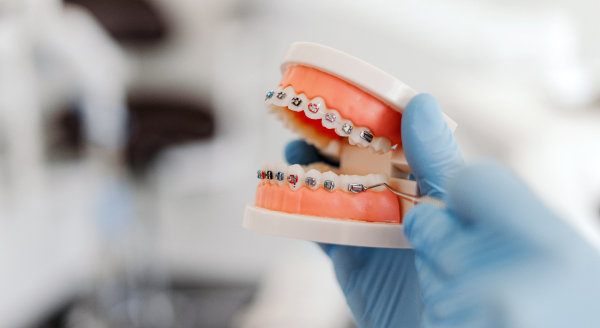
Braces have long been a trusted solution for patients of all ages seeking a straighter, healthier smile. Understanding how they work can help ease any concerns you may have before starting treatment. At their core, braces rely on applying steady, gentle pressure to guide your teeth into better alignment over time.
While this might sound straightforward, the underlying mechanics are quite remarkable. As brackets, wires, and bands work together, your bone structure subtly adapts, allowing teeth to move into their ideal positions. This controlled movement improves not only the look of your smile but also how your teeth come together when you bite, chew, and speak.
Braces can address a wide range of orthodontic issues, from minor crowding to severe malocclusions. By following your orthodontist’s instructions and attending periodic adjustments, you’ll gradually see your smile transform—often within a matter of months to a few years, depending on your unique situation. The end result is a smile that’s not just straighter, but also healthier and more functional.
The Process of Orthodontic Treatment
The process of moving teeth with braces is rooted in biology. When gentle, continuous pressure is applied to a tooth, the underlying bone and supportive tissues begin to remodel. Cells called osteoclasts break down bone on the side toward which the tooth is moving, while osteoblasts build new bone behind it. This cellular dance ensures that teeth shift without becoming loose or unstable.
Your orthodontist carefully plans each stage of movement using detailed examinations, X-rays, and digital models of your teeth. Over time, small changes in wire tension and elastic placement guide teeth toward their new positions. Although it may feel like a slow process, each step is crucial for achieving long-lasting, stable results. Consistency is key—following your orthodontist’s advice, attending scheduled appointments, and maintaining proper oral hygiene all play an essential role in ensuring success.
Additionally, braces help correct the way your upper and lower teeth fit together. By fine-tuning your bite, braces reduce unnecessary wear and tear on your enamel, lower the risk of jaw discomfort, and make it easier to keep your teeth and gums clean. Understanding this process can help you appreciate that each adjustment, slight pressure, or momentary discomfort is contributing to the steady progress toward your perfect smile.
Key Components of Braces
- Brackets: These small attachments, often made of metal or ceramic, are bonded directly to each tooth. They act like tiny handles, holding the archwire in place and allowing precise control over tooth movement.
- Archwires: Running through the brackets, these flexible wires apply continuous, gentle pressure to guide teeth into proper alignment. As your treatment progresses, your orthodontist may change to thicker or differently shaped wires to refine your smile.
- Elastic Bands: Also known as ligatures, these small rubber bands hold the archwire securely against the brackets. Some patients also use interarch elastics, which stretch between the upper and lower jaws to help correct bite issues.
- Periodic Adjustments: During regular visits, your orthodontist may tighten or replace wires, adjust elastic band configurations, or add special attachments. These fine-tunings ensure you stay on track toward your ideal smile.
- Spacers and Separators: In some cases, small rubber or metal spacers are placed between teeth to create room for bands or other components, laying the groundwork for more complex corrections.
- Retainers (Post-Treatment): Although not worn during active treatment, retainers become critical once braces are removed. They help maintain the new positions of your teeth, ensuring that all the effort invested in treatment endures long after the braces come off.