
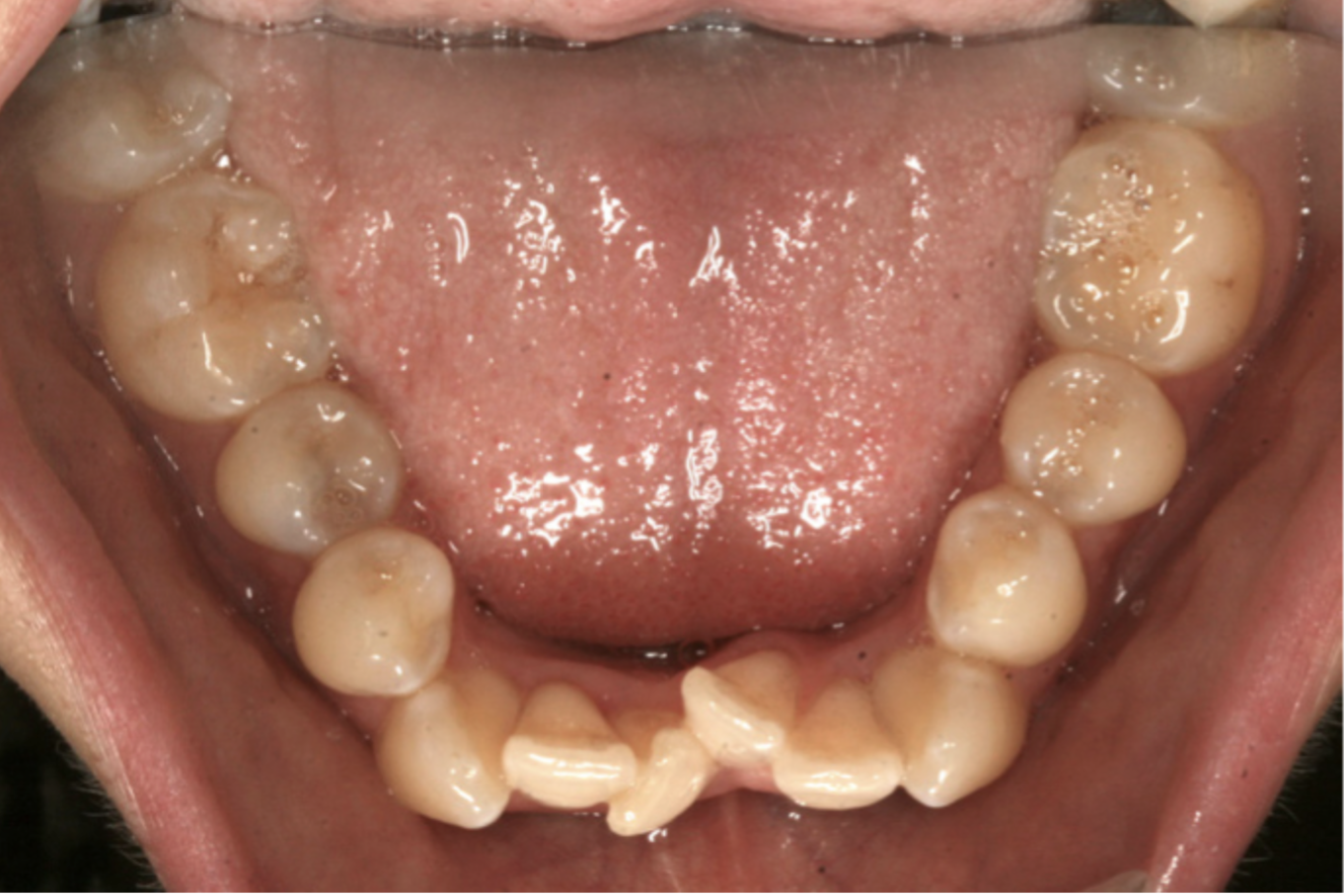
When teeth overlap or twist, the effect is easy to see in a smile. What is less visible is how those tight spaces can affect daily cleaning. Treating crowding is a personal decision, but understanding its possible effects on oral health can help you make an informed one.
Crowding can make brushing and flossing harder
A toothbrush cannot clean every surface between teeth. When teeth overlap, reaching some edges and gumlines with floss or other cleaning tools may take extra care. Plaque left behind can irritate the gums and contribute to cavities. The American Association of Orthodontists notes that overlapping teeth can be harder to clean effectively.
This does not mean that everyone with crowded teeth has unhealthy gums. Daily brushing, cleaning between the teeth, and regular dental visits matter regardless of alignment.
Where bone loss fits into the picture
Crowding itself does not automatically cause bone loss. The concern is that plaque can be harder to remove in certain crowded areas. If gum inflammation progresses to periodontitis, the disease can damage the tissues and bone that support the teeth. The National Institute of Dental and Craniofacial Research explains that advanced gum disease can destroy supporting bone and eventually loosen teeth.
A long-term study published in the American Journal of Orthodontics and Dentofacial Orthopedics followed men in a dental cohort for up to 35 years. Certain types of front-tooth crowding were associated with deeper periodontal pockets; lower-incisor crowding was also associated with more teeth showing alveolar bone loss. This was an association, not proof that crowding alone caused the damage or that straightening teeth would prevent it.
Bone loss can have several causes and risk factors. A dental examination, gum measurements, and sometimes X-rays are needed to determine whether it is present and what treatment is appropriate.
What orthodontic treatment can—and cannot—do
Straightening crowded teeth may make some surfaces easier to reach when you brush and clean between teeth. It can also improve the way teeth fit together and, of course, the appearance of a smile. But orthodontic treatment is not a substitute for plaque control, professional cleanings, or treatment for active gum disease. Research has not established that orthodontics alone prevents future periodontal disease.
If you already have bleeding gums, gum recession, or suspected bone loss, your dentist or orthodontist should evaluate your gum health before and during tooth movement. A coordinated treatment plan may include periodontal care first.
A sensible next step
If you struggle to floss around overlapping teeth or notice gums that bleed, ask for an examination. We can review your tooth position and discuss whether braces or clear aligners could help in your case. Whatever treatment you choose, keeping up with daily cleaning and regular dental visits remains essential.